

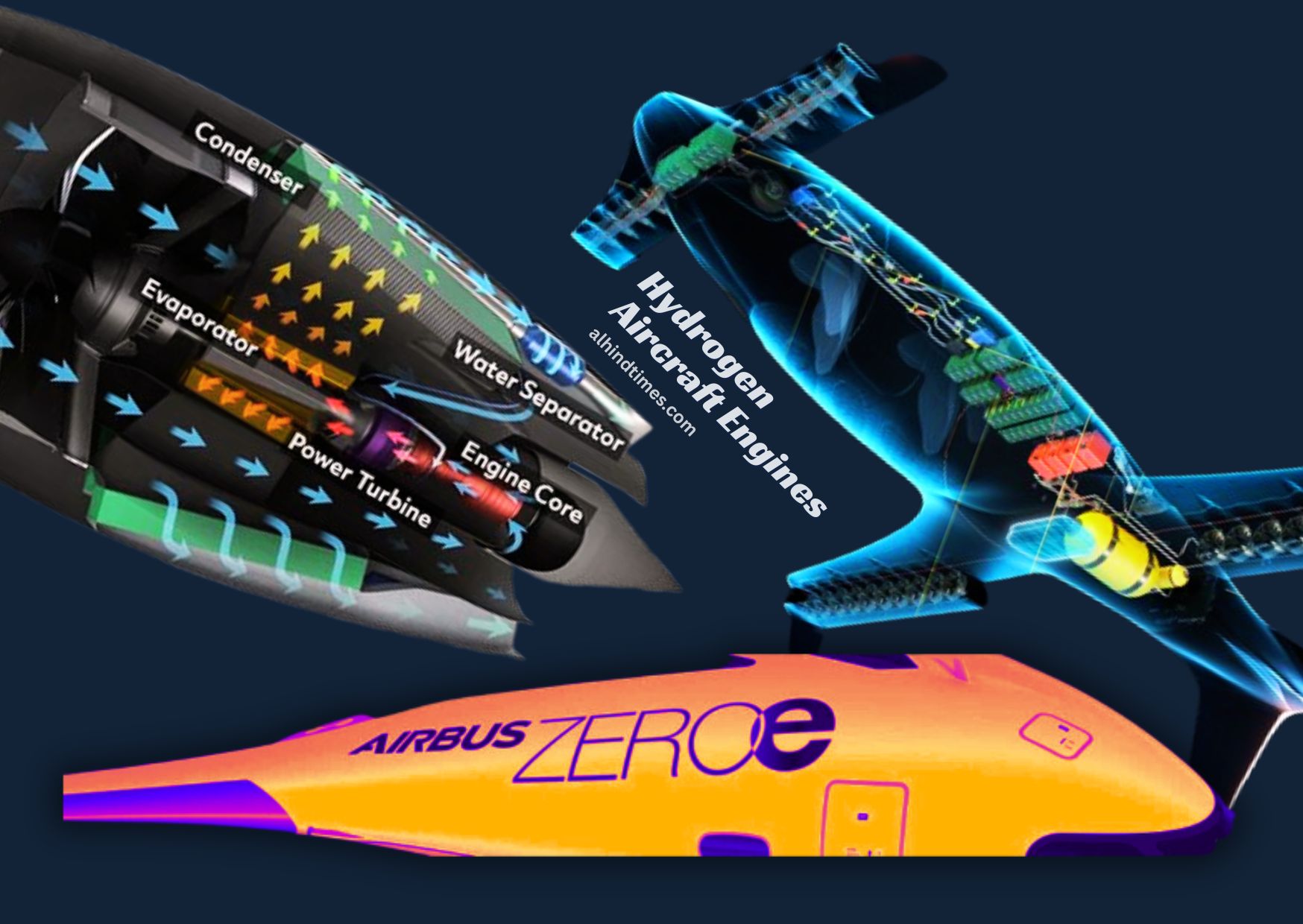
🌿 Hydrogen Aircraft Engines: Exploring Zero-Emission Propulsion For The Future Of Sustainable Aviation
The aviation industry is actively exploring hydrogen-powered aircraft engines as one of the most promising technologies for achieving net-zero carbon emissions. Governments, aerospace manufacturers and engine developers are investing heavily in hydrogen propulsion systems to create cleaner, quieter and more environmentally responsible air transportation.
Hydrogen has the potential to significantly reduce aviation’s environmental impact while supporting the growing demand for global air travel.
🌍 Why Hydrogen Matters
Traditional aircraft rely on aviation fuel that produces greenhouse gas emissions.
Hydrogen propulsion aims to offer:
- Zero carbon emissions at the point of use
- Reduced environmental impact
- Higher long-term sustainability
- Lower dependence on fossil fuels
- Support for global climate initiatives
These advantages make hydrogen one of the most important future technologies in aerospace.
⚙ Types Of Hydrogen Propulsion
Researchers are currently developing multiple approaches:
- Hydrogen combustion engines
- Hydrogen fuel cells
- Hybrid-electric propulsion
- Cryogenic hydrogen storage
- Electric propeller systems
Each approach offers different benefits depending on aircraft size, mission profile and operational requirements.
🛩 Industry Leaders Driving Innovation
Several aerospace organizations are actively investing in hydrogen aviation research, including:
- Airbus
- Rolls-Royce
- GE Aerospace
- Pratt & Whitney
- Honeywell Aerospace
- Safran
- NASA
These companies are collaborating with governments, universities and technology partners to accelerate development.
🌱 Benefits For Sustainable Aviation
Hydrogen-powered aircraft could provide:
- Lower aviation emissions
- Cleaner airport operations
- Reduced engine noise
- Improved energy efficiency
- Long-term environmental sustainability
The technology is expected to complement Sustainable Aviation Fuel (SAF) rather than replace every existing propulsion system immediately.
⚠ Current Challenges
Despite its promise, hydrogen aviation still faces important challenges:
- Hydrogen storage systems
- Airport fueling infrastructure
- Aircraft certification
- Production costs
- Global supply chains
- Aircraft design modifications
These areas continue to be the focus of international research and development.
🚀 Future Outlook
Industry experts expect hydrogen propulsion to become increasingly important over the coming decades, particularly for regional aircraft and future short-to-medium-haul operations.
Continued investment in clean aviation technologies will help shape the next generation of commercial flight.
✅ Conclusion
Hydrogen aircraft engines represent one of the aviation industry’s most ambitious efforts to build a cleaner and more sustainable future. Although technical and infrastructure challenges remain, ongoing innovation suggests hydrogen propulsion could become a key pillar of next-generation aerospace engineering.
🌐 Official Resources
🌿 Explore The Future Of Aircraft Engine Innovation
Discover hydrogen propulsion, sustainable aviation fuel, hybrid aircraft engines, next-generation aerospace technologies and global engine manufacturers through the Al Hind Times Engine Manufacturers Series.
Explore Aircraft Engine Manufacturers →