

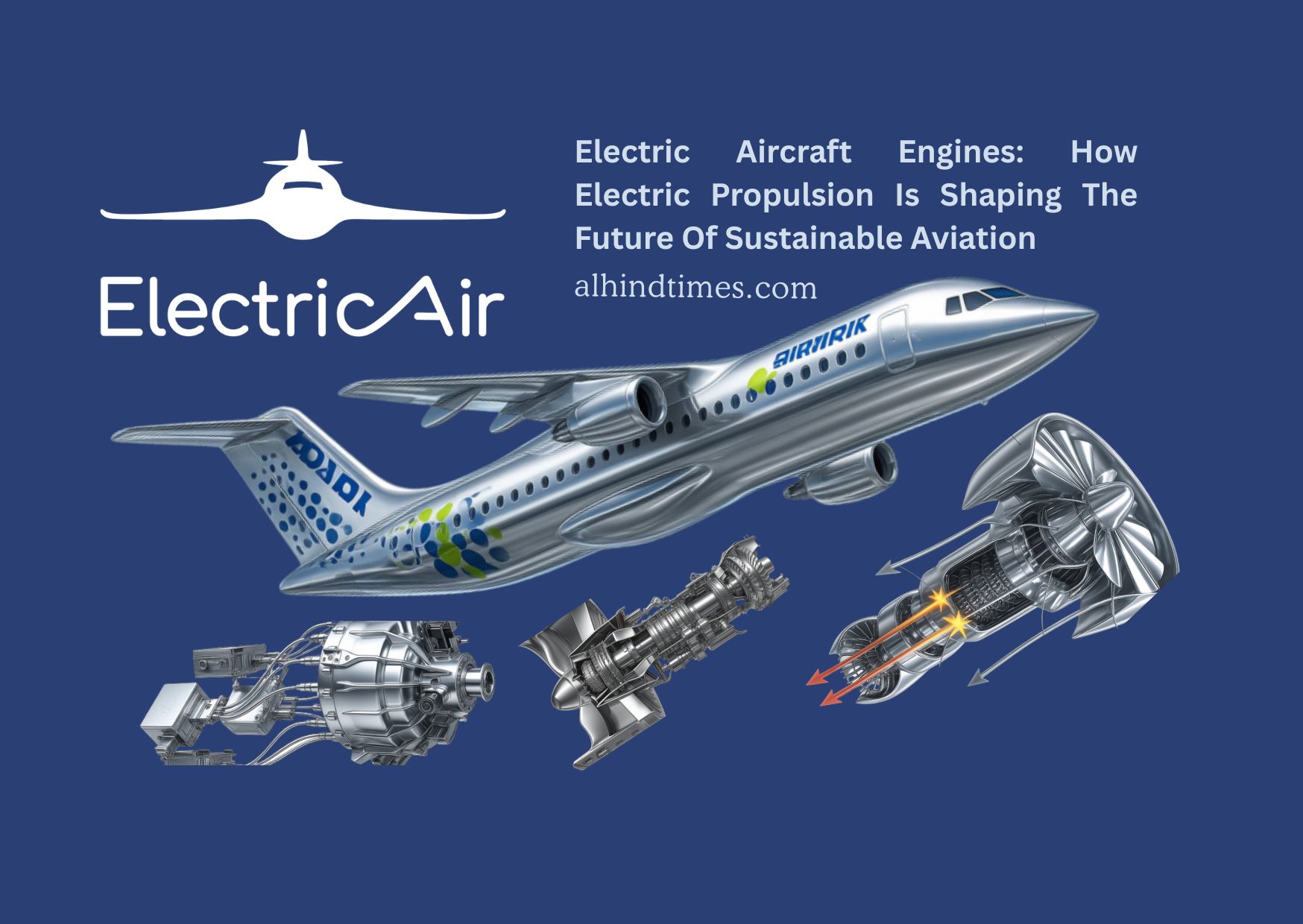
Electric Aircraft Engines: How Electric Propulsion Is Shaping The Future Of Sustainable Aviation
The aviation industry is entering a new technological era where electric propulsion is becoming one of the most promising solutions for reducing carbon emissions and improving operational efficiency. While conventional jet engines will continue powering long-haul commercial aircraft for years to come, electric aircraft engines are rapidly emerging as a viable alternative for regional aviation, pilot training, urban air mobility and future short-distance passenger transport.
Governments, aircraft manufacturers and engine developers around the world are investing heavily in electric propulsion technologies as part of the global transition toward cleaner aviation.
Why Electric Propulsion Matters
Traditional aircraft engines rely on fossil-based aviation fuels that produce greenhouse gas emissions. Electric propulsion systems aim to reduce environmental impact by replacing or supplementing conventional engines with electric motors powered by advanced batteries or hybrid-electric systems.
Key advantages include:
- Zero in-flight emissions (fully electric aircraft)
- Lower operating costs
- Reduced engine maintenance
- Quieter aircraft operations
- Improved energy efficiency
- Better sustainability performance
These benefits make electric propulsion particularly attractive for short-haul aviation.
Hybrid-Electric Aviation
Because current battery technology still limits long-range flight, many manufacturers are developing hybrid-electric aircraft that combine traditional turbine engines with electric propulsion.
Hybrid systems can:
- Reduce fuel consumption
- Improve takeoff efficiency
- Lower carbon emissions
- Extend operational range
- Support future Sustainable Aviation Fuel (SAF) integration
Hybrid-electric propulsion is widely considered an important transitional step toward fully electric commercial aviation.
Battery Innovation
The success of electric aviation depends heavily on advances in battery technology. Aerospace engineers are developing lighter, more energy-dense battery systems capable of delivering higher performance while meeting strict aviation safety standards.
Future improvements in battery chemistry and charging infrastructure are expected to expand the capabilities of electric aircraft significantly.
Industry Investment
Leading aerospace companies, startups and research organizations continue investing in electric propulsion technologies. Aircraft manufacturers, engine developers and aviation technology firms are collaborating to design electric motors, intelligent power management systems and lightweight propulsion architectures.
Artificial intelligence also plays an important role by optimizing battery performance, monitoring system health and improving energy efficiency during flight.
Challenges Ahead
Despite rapid progress, several technical challenges remain:
- Limited battery energy density
- Charging infrastructure
- Aircraft certification
- Weight optimization
- Long-distance operational capability
Ongoing research is addressing these issues, bringing electric commercial aviation closer to reality.
The Future Of Electric Aviation
Industry experts expect electric propulsion to become increasingly common in regional aviation, air taxis, pilot training aircraft and urban air mobility platforms during the coming decade.
As battery technology, AI-driven power management and lightweight materials continue advancing, electric aircraft will play an increasingly important role in achieving global sustainability goals.
Conclusion
Electric aircraft engines represent one of the most exciting innovations shaping the future of aerospace. By combining clean energy, advanced engineering and intelligent digital technologies, electric propulsion has the potential to transform regional aviation while supporting the industry’s long-term commitment to sustainable flight. Although challenges remain, continued investment and technological progress are bringing the era of electric aviation closer than ever before.
⚡ Explore The Future Of Sustainable Aviation
Discover the latest developments in electric aircraft engines, hybrid propulsion, aviation technology and aerospace innovation through the Al Hind Times Engine Manufacturers Hub. Stay informed about the technologies shaping the next generation of global aviation.
⚙ Engine Manufacturers 🚀 Aviation Technology 🤖 Aviation AI 🏭 Manufacturers