

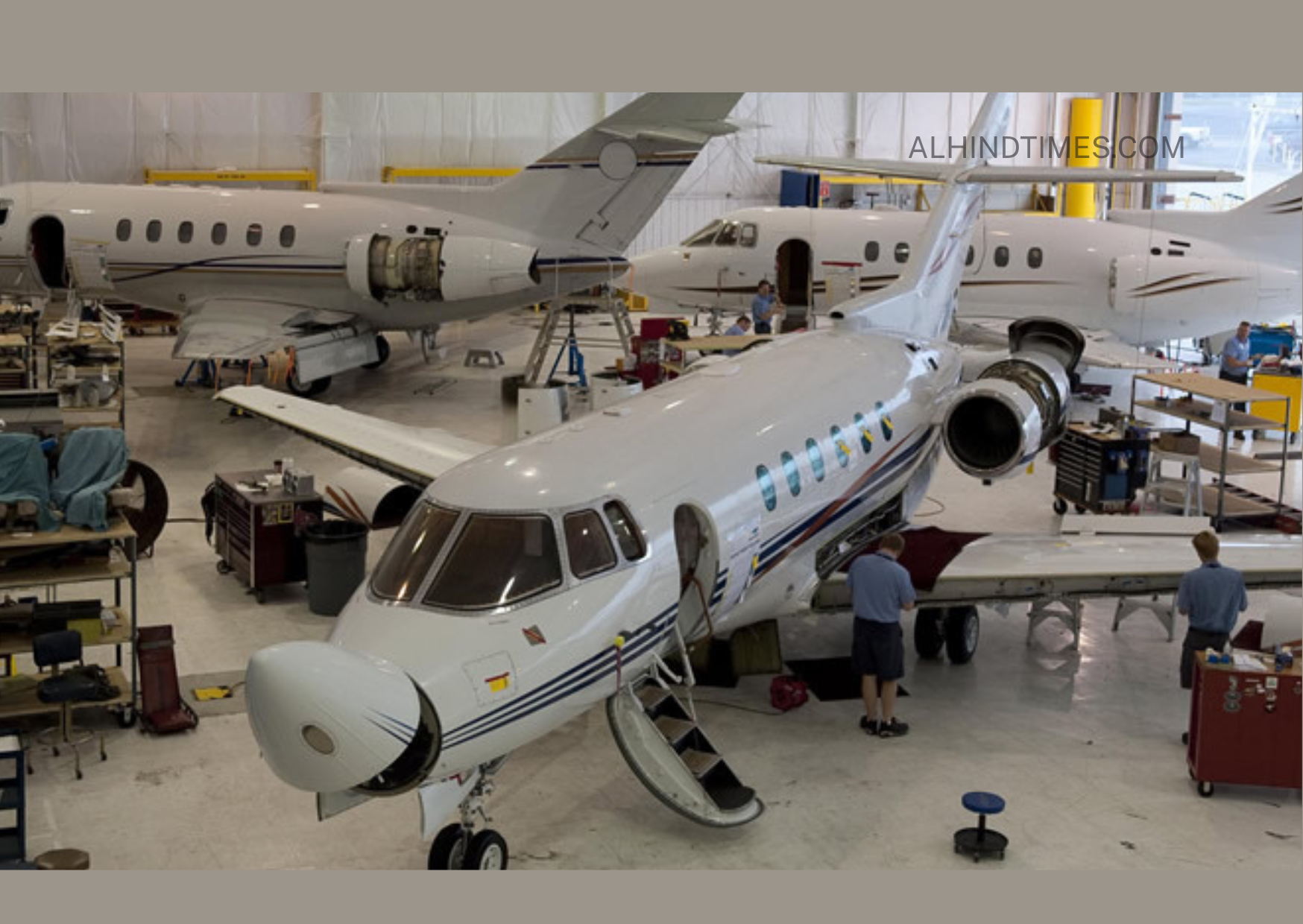
Commercial Aircraft Engine Partnerships And The Future Of Global Aviation
Modern commercial aviation relies on collaboration. Developing a next-generation aircraft engine requires billions of dollars in research, years of engineering and contributions from multiple aerospace companies. As a result, strategic engine partnerships have become one of the driving forces behind innovation in the aviation industry.
Today, many of the world’s most successful aircraft engines are developed through international collaborations that combine expertise in design, manufacturing, materials science and maintenance support.
Why Engine Partnerships Matter
Aircraft engines are among the most complex engineering systems ever created.
By working together, aerospace companies can:
- Share Research & Development Costs
- Accelerate Innovation
- Improve Engine Reliability
- Expand Global Support Networks
- Reduce Certification Time
- Increase Manufacturing Efficiency
These collaborations allow airlines to benefit from highly reliable propulsion systems while maintaining competitive operating costs.
Examples Of Successful Partnerships
Several well-known aircraft engine programs have been developed through international partnerships, including:
- International Aero Engines (IAE)
- CFM International
- Engine Alliance
These collaborations combine decades of engineering expertise from leading aerospace manufacturers to power thousands of commercial aircraft worldwide.
Benefits For Airlines
Engine partnerships deliver important advantages for airline operators.
Greater Reliability
Collaborative engineering results in engines that operate safely across diverse climates and operational environments.
Fuel Efficiency
Modern engine designs reduce fuel consumption while improving aircraft performance.
Global Maintenance Support
International partnerships provide airlines with access to worldwide maintenance, repair and overhaul (MRO) facilities.
Continuous Innovation
Shared research enables rapid development of new materials, digital monitoring systems and advanced propulsion technologies.
Supporting Sustainable Aviation
Engine partnerships are playing a significant role in achieving aviation’s sustainability goals.
Current areas of investment include:
- Sustainable Aviation Fuel (SAF) Compatibility
- Hybrid-Electric Propulsion
- Hydrogen Combustion Research
- Lightweight Engine Materials
- Digital Engine Health Monitoring
- AI-Based Predictive Maintenance
These technologies aim to reduce emissions while maintaining high levels of safety and operational performance.
Challenges Facing The Industry
Despite significant progress, engine manufacturers continue addressing several challenges:
- Rising Development Costs
- Environmental Regulations
- Global Supply Chain Disruptions
- Demand For Skilled Engineers
- Increasing Airline Expectations
Collaboration remains essential for overcoming these challenges and supporting future aircraft programs.
Future Of Commercial Aircraft Engines
The next generation of commercial engines will likely focus on:
- Lower Carbon Emissions
- Higher Fuel Efficiency
- Digital Engine Intelligence
- Autonomous Maintenance Systems
- Advanced Composite Materials
- Sustainable Propulsion Technologies
International cooperation will remain a key factor in delivering these innovations to the aviation industry.
Final Thoughts
Commercial aircraft engine partnerships have transformed the aerospace industry by combining engineering expertise, global manufacturing capabilities and shared innovation.
As aviation moves toward a more sustainable and technologically advanced future, collaborative engine development will continue supporting safer, cleaner and more efficient air travel for airlines and passengers around the world.
🌍 Explore The Future Of Aircraft Engine Technology
Learn more about commercial aircraft engine development, aviation sustainability, international engineering standards and propulsion innovation through leading aerospace organizations and industry associations.