

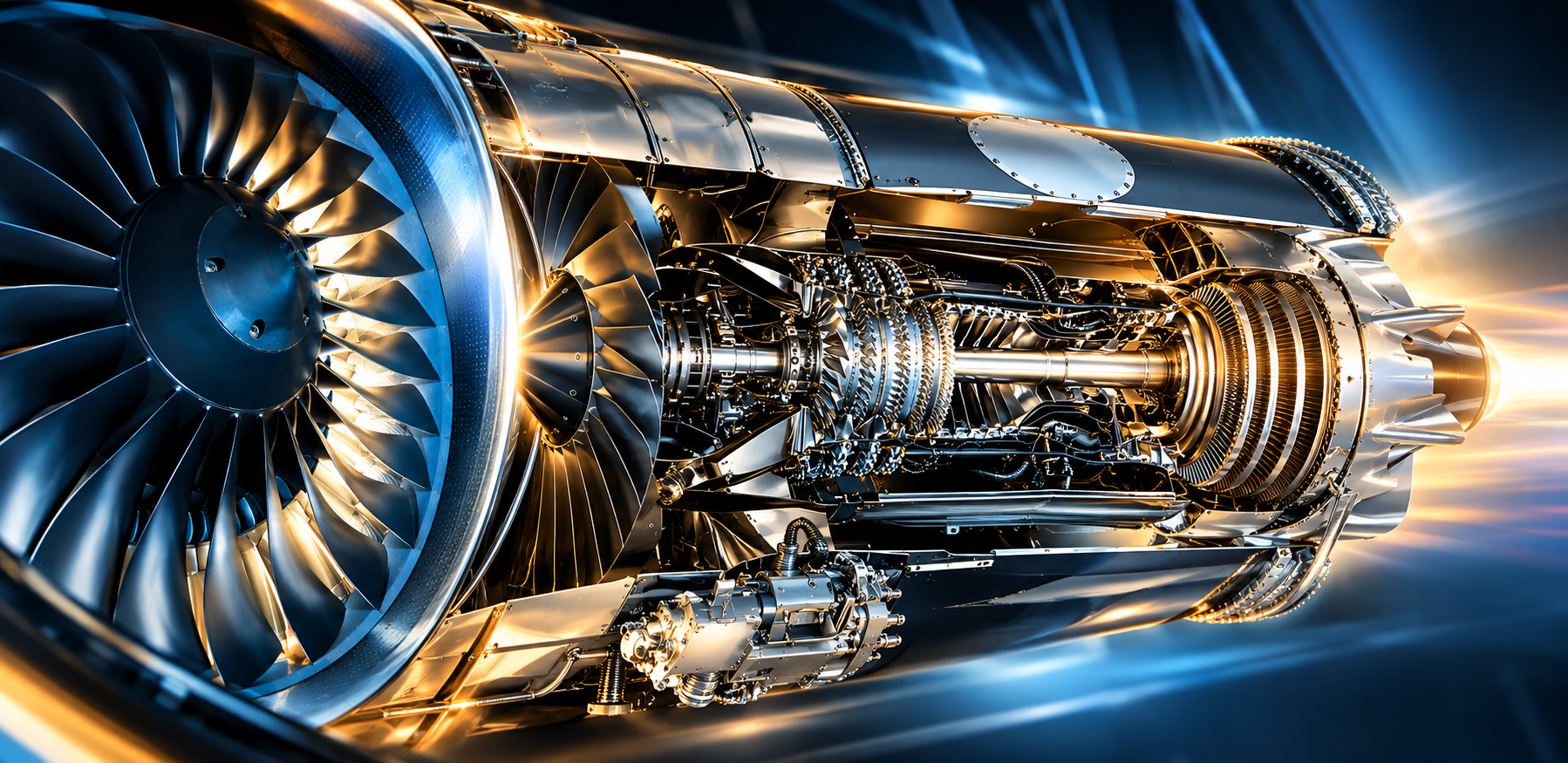
✈️ Business Jet Engines: Private Aviation की Performance के पीछे कौन-सी Engine Technology काम करती है?
Private Jet की असली ताकत Cabin में नहीं, Engine में छिपी होती है
जब किसी modern business jet की चर्चा होती है, तो अक्सर उसकी range, luxury cabin, speed और airport access headline बनते हैं।
लेकिन इन capabilities के पीछे सबसे महत्वपूर्ण engineering systems में से एक उसका engine होता है।
Engine aircraft को केवल thrust नहीं देता। उसका design aircraft की fuel efficiency, range, climb performance, noise, maintenance requirements और operating economics को भी प्रभावित करता है।
इसीलिए Gulfstream, Bombardier, Dassault और दूसरे aircraft manufacturers के नए programmes के साथ propulsion technology का development भी लगातार आगे बढ़ता रहता है।
आज business aviation में Rolls-Royce, Pratt & Whitney और Honeywell जैसे manufacturers अलग-अलग aircraft classes के लिए turbofan engines उपलब्ध कराते हैं। Pratt & Whitney के अनुसार उसके engines दुनिया के हर तीन business jets में से एक से अधिक को power करते हैं।
1. Business Jet Engine आखिर काम कैसे करता है?
अधिकांश modern business jets turbofan engines का उपयोग करते हैं।
सरल रूप में airflow engine में प्रवेश करता है, compressor हवा का pressure बढ़ाता है, combustion section में compressed air को fuel के साथ burn किया जाता है और resulting high-energy gases turbine तथा exhaust system से गुजरती हैं।
इस process से thrust पैदा होता है।
लेकिन modern turbofan में केवल hot exhaust ही पूरी कहानी नहीं है। Front fan द्वारा accelerate की गई bypass air भी thrust का महत्वपूर्ण हिस्सा प्रदान करती है।
इसी architecture को लगातार refine करके manufacturers efficiency, noise और performance improve करने की कोशिश करते हैं।
2. Thrust क्या है और Business Jet में क्यों महत्वपूर्ण है?
Engine specifications में अक्सर pounds-force (lbf) में thrust दिखाई देता है।
लेकिन ज्यादा thrust का मतलब automatically बेहतर aircraft नहीं होता।
Engine को aircraft के:
- size
- maximum take-off weight
- aerodynamic design
- intended range
- cruise speed
- airport requirements
के साथ match करना पड़ता है।
उदाहरण के लिए Rolls-Royce Pearl 10X 18,000+ lbf thrust class में है और Dassault Falcon 10X के लिए बनाया गया है। June 2026 में Pearl 10X ने Falcon 10X की first flight successfully power की।
इसलिए engine और airframe को अलग-अलग products की तरह नहीं, बल्कि एक integrated aircraft system के रूप में समझना चाहिए।
3. Light Jet और Ultra-Long-Range Jet के Engines अलग क्यों होते हैं?
हर business jet को समान propulsion requirement नहीं होती।
एक light jet को relatively compact और economical engine की आवश्यकता हो सकती है, जबकि ultra-long-range aircraft को ज्यादा thrust, high-altitude capability और long-duration reliability चाहिए।
Pratt & Whitney की current business-aviation portfolio इस difference का अच्छा उदाहरण है:
| Engine Family | Broad Application |
|---|---|
| PW600 | Light jets |
| PW500 | Light–mid-size jets |
| PW300 | Mid-size business jets |
| PW800 | New-generation larger business aircraft |
Pratt & Whitney PW600 को 900–3,000 lb thrust class, PW500 को 2,900–4,500 lb और PW300 को 4,700–8,000 lb class में position करता है।
इससे साफ होता है कि “business jet engine” कोई एक technology specification नहीं है—aircraft category के अनुसार propulsion architecture और requirements बदलती हैं।
4. Fuel Efficiency इतनी महत्वपूर्ण क्यों है?
Private aircraft के operating cost में fuel एक महत्वपूर्ण component है।
इसलिए engine manufacturers लगातार कोशिश करते हैं कि समान या बेहतर performance कम fuel consumption के साथ प्राप्त की जा सके।
लेकिन fuel efficiency केवल cost का सवाल नहीं है।
बेहतर efficiency potentially aircraft को:
Longer Range → Lower Fuel Burn → Better Mission Flexibility
दे सकती है, हालांकि final aircraft performance airframe, weight, weather और operating conditions सहित कई factors पर निर्भर करती है।
Rolls-Royce जैसी companies compressor, turbine, combustor और material technologies को लगातार improve कर रही हैं। 2026 में company Boeing और Lufthansa के साथ next-generation engine inlet technology test कर रही है, जिसका उद्देश्य drag और weight कम करने के साथ fuel efficiency तथा noise performance improve करना है।
5. Engine के अंदर Temperature एक बड़ी Engineering Challenge है
Jet engine के hot section में extreme temperatures होते हैं।
इसलिए turbine blades और दूसरे components के लिए sophisticated:
- high-temperature materials
- coatings
- cooling passages
- precision manufacturing
- advanced alloys
की जरूरत पड़ती है।
यही कारण है कि modern aircraft engine manufacturing aerospace industry के सबसे technically demanding sectors में से एक है।
और यही engineering complexity supply chain को भी महत्वपूर्ण बनाती है।
September 2026 में GE Aerospace द्वारा precision-casting supplier CPP को acquire करने का announced deal इस बात का उदाहरण है कि turbine components और advanced castings engine manufacturing supply chain में कितने strategic हो चुके हैं।
6. Engine Efficiency और Durability के बीच Balance
एक highly efficient engine बनाना पर्याप्त नहीं है।
Operator चाहता है कि engine लंबे समय तक reliably operate भी करे।
इसलिए manufacturers को एक साथ:
Efficiency + Performance + Durability + Maintainability
balance करना पड़ता है।
2026 में commercial propulsion industry में manufacturers durability upgrades और supply-chain improvements पर बड़े investments कर रहे हैं; Aviation Week के अनुसार active/recent large-scale programmes से जुड़े medium और large civil engines के order pipeline का scale लगभग 29,000 engines तक पहुंच चुका है।
Business aviation में भी durability directly aircraft availability और maintenance economics से जुड़ी है।
7. Digital Engine Health Monitoring
Modern engine अब केवल mechanical machine नहीं है।
Sensors और digital systems engine के operating parameters को monitor कर सकते हैं।
इन systems का इस्तेमाल operators और manufacturers:
- engine condition
- performance trends
- maintenance planning
- fault detection
- shop-visit preparation
जैसी activities में कर सकते हैं।
यानी aviation maintenance धीरे-धीरे केवल “problem होने के बाद repair” से आगे बढ़कर data-assisted maintenance environment की ओर जा रही है।
Rolls-Royce ने June 2026 में Bombardier Global 5500 और 6500 पर enhanced aircraft और engine health monitoring launch किया, जो इस trend का current business-aviation example है।
8. SAF और Business Jet Engines
Sustainable Aviation Fuel (SAF) aviation sustainability discussion का महत्वपूर्ण हिस्सा बन चुका है।
लेकिन यहां terminology को सही समझना जरूरी है।
SAF कोई अलग प्रकार का jet engine नहीं है। यह conventional jet fuel के लिए alternative aviation-fuel pathway है, जिसे approved specifications और blends के अनुसार aircraft operations में इस्तेमाल किया जा सकता है।
July 2026 में Rolls-Royce Pearl 700-powered Gulfstream G800 ने 100% SAF पर test flight की। Flight का हिस्सा high-altitude emissions और contrail-forming particles पर research भी था।
यह business aviation में propulsion और fuel research के convergence का महत्वपूर्ण उदाहरण है।
9. क्या SAF से Aviation की सारी Emissions Problem खत्म हो जाएगी?
नहीं।
SAF potential emissions reductions में योगदान कर सकता है, लेकिन aviation environmental impact केवल fuel carbon content तक सीमित नहीं है।
Research में:
- contrails
- nitrogen oxides
- soot
- aerosols
- non-CO₂ effects
पर भी काम हो रहा है।
July 2026 में Boeing, Airbus, Dassault, GE Aerospace, Rolls-Royce, RTX और Safran के technology leaders ने aviation के non-CO₂ effects पर ongoing research progress highlight की।
इसलिए future propulsion को केवल एक fuel solution से समझना पर्याप्त नहीं होगा।
10. Noise Reduction भी Engine Technology का हिस्सा है
Airport communities के लिए aircraft noise एक important issue है।
Engine manufacturers और aircraft companies:
- fan design
- acoustic treatment
- nacelle design
- engine inlet
- operating procedures
के माध्यम से noise reduce करने पर research करते हैं।
2026 Boeing ecoDemonstrator programme में Rolls-Royce, Boeing और Lufthansa एक reduced-length Next Generation Inlet और advanced acoustic treatments test कर रहे हैं।
FAA का CLEEN programme भी lower energy use, emissions और aircraft noise से संबंधित technologies को support करता है; CLEEN Phase III में GE Aerospace, Honeywell, Pratt & Whitney, Rolls-Royce और Safran Nacelles सहित कई aerospace participants शामिल रहे।
11. Open Fan क्या Future Engine Technology हो सकती है?
Future aviation propulsion में सबसे interesting research directions में से एक Open Fan architecture है।
CFM International का RISE technology programme Open Fan, compact core और hybrid-electric technologies पर काम कर रहा है।
July 2026 तक programme लगभग 500 test campaigns और 3,000 से अधिक endurance cycles complete कर चुका था। CFM technologies को इसी decade में ground और flight tests की दिशा में mature कर रहा है।
लेकिन महत्वपूर्ण distinction यह है कि RISE अभी technology-development programme है—इसे किसी current production business jet engine के रूप में नहीं समझना चाहिए।
12. Hybrid-Electric Propulsion
Aircraft propulsion में electrical systems की भूमिका भी बढ़ सकती है।
Hybrid-electric concepts में traditional propulsion और electrical technologies को अलग-अलग architectures में combine करने की कोशिश की जाती है।
CFM ने 2026 में बताया कि GE Aerospace ने पिछले एक साल में दो hybrid-electric engine ground tests complete किए थे।
लेकिन large-scale business aviation में widespread hybrid-electric adoption अभी development और demonstration stages से आगे बढ़ने वाली लंबी engineering journey हो सकती है।
13. Hydrogen Engine Research
Hydrogen भी future aviation research का हिस्सा है।
Rolls-Royce का hydrogen demonstrator Pearl 15 business-aviation engine पर आधारित है। Company के अनुसार programme hydrogen-fuelled modern jet engine के safe operation और control को demonstrate करने के लिए testing कर रहा है।
यह distinction फिर महत्वपूर्ण है:
Hydrogen demonstrator ≠ commercially available hydrogen business jet.
Research programme को current passenger service technology की तरह present नहीं करना चाहिए।
14. UltraFan और Future Engine Architecture
Rolls-Royce का UltraFan programme future propulsion technology का एक और example है।
Company के अनुसार UltraFan 80 demonstrator future widebody applications के लिए technology blueprint है, जबकि UltraFan 30 demonstrator ground testing के लिए 2028 target कर रहा है।
UltraFan का direct current business-jet application नहीं है, लेकिन programme में develop होने वाली materials, gearbox, fan और core technologies broader aerospace propulsion evolution को समझने में महत्वपूर्ण हैं।
15. Business Jet Customer के लिए Engine क्यों Matter करता है?
Aircraft buyer या operator केवल cabin नहीं खरीदता।
Engine choice long-term operation को प्रभावित कर सकती है।
उसे देखना पड़ सकता है:
Performance
Aircraft required mission perform कर सकता है या नहीं।
Fuel Consumption
Operating economics पर प्रभाव।
Maintenance Programme
Scheduled और unscheduled maintenance.
Service Network
Aircraft जहां operate करता है वहां support उपलब्ध है या नहीं।
Engine Reserves / Coverage
Long-term maintenance budgeting.
Reliability
Aircraft availability के लिए महत्वपूर्ण।
Residual Value
Used-aircraft market में maintenance status और engine condition महत्वपूर्ण हो सकते हैं।
यानी private jet खरीदते समय airframe और engine economics दोनों को समझना जरूरी है।
16. Engine Manufacturer का Business केवल Engine Sale नहीं है
Aerospace propulsion का business model interesting है।
Manufacturer aircraft maker को engine supply करता है, लेकिन उसके बाद decades तक:
- spare parts
- maintenance
- overhaul
- engine monitoring
- service agreements
- technical support
की आवश्यकता हो सकती है।
इसलिए engine का lifecycle aircraft delivery से बहुत आगे जाता है।
Rolls-Royce जैसे manufacturers business aviation के लिए comprehensive engine-management programmes चलाते हैं, जबकि Pratt & Whitney भी business-aviation engines को long-term customer support के साथ market करता है।
17. 2026 Business Aviation Demand Engine Makers के लिए क्या बताती है?
Engine technology का future aircraft demand से जुड़ा हुआ है।
Honeywell के latest Global Business Aviation Outlook में 2026 new business-jet deliveries को 2025 से लगभग 5% अधिक रहने का अनुमान लगाया गया था। Survey में 91% operators ने कहा था कि वे 2026 में पिछले साल जितना या उससे अधिक उड़ने की उम्मीद करते हैं।
इसका अर्थ engine manufacturers के लिए केवल new-engine demand नहीं है।
बढ़ती fleet के साथ:
Maintenance + Parts + Digital Monitoring + Overhaul + Field Support
का aftermarket ecosystem भी महत्वपूर्ण होता जाता है।
18. Al Hind Times Aviation Perspective
Business jet industry को समझने के लिए केवल aircraft manufacturers को follow करना पर्याप्त नहीं है।
Aircraft के पीछे एक दूसरी technology industry काम करती है:
The Aircraft Engine Industry
Rolls-Royce Pearl 700 और Pearl 10X से लेकर Pratt & Whitney PW800 और future Open Fan, hybrid-electric तथा hydrogen research तक, propulsion technology लगातार evolve हो रही है।
लेकिन आने वाले engine की सफलता केवल इस बात से तय नहीं होगी कि वह कितना powerful है।
Future propulsion को एक साथ:
Efficiency → Durability → Reliability → Lower Noise → Maintainability → Fuel Flexibility
deliver करना होगा।
और यही aircraft engine engineering की असली चुनौती है।
Key Highlights
| Technology | Aviation Role |
|---|---|
| Turbofan | Modern business-jet propulsion |
| High-efficiency core | Fuel efficiency & performance |
| Digital monitoring | Engine health & maintenance |
| SAF | Alternative aviation-fuel pathway |
| Advanced materials | High-temperature durability |
| Open Fan | Future propulsion research |
| Hybrid-electric | Technology demonstration |
| Hydrogen combustion | Longer-term propulsion research |
FAQ
Business jets में कौन-से engines इस्तेमाल होते हैं?
अधिकांश modern business jets turbofan engines का उपयोग करते हैं। Aircraft size और mission के अनुसार engine thrust और architecture अलग हो सकते हैं।
Private jet में ज्यादा thrust हमेशा बेहतर होता है?
नहीं। Engine को aircraft weight, aerodynamics, mission, range और performance requirements के साथ properly matched होना चाहिए।
क्या business jet engines SAF पर चल सकते हैं?
कुछ current engines और aircraft programmes approved SAF pathways के साथ operate या test किए जा रहे हैं। उदाहरण के लिए Pearl 700-powered Gulfstream G800 ने 2026 में 100% SAF test flight की।
क्या hydrogen-powered private jets अभी commercial service में हैं?
इस article में cited current programmes hydrogen को research/demonstration stage पर दिखाते हैं; Rolls-Royce का programme Pearl 15-based demonstrator पर testing कर रहा है।
Future aircraft engine technology में क्या बदल सकता है?
Advanced cores, materials, digital monitoring, alternative fuels, Open Fan, hybrid-electric systems और hydrogen combustion जैसी technologies research और development का हिस्सा हैं।
Aircraft Engines की Technology को और करीब से समझिए
Turbofan engines, thrust, fuel efficiency, digital engine monitoring, SAF और next-generation propulsion technologies पर Al Hind Times की aviation-focused industry coverage explore करें।
Aviation Technology की और Stories पढ़ें
Aircraft engines, manufacturers, airports, private aviation, aerospace technology और global aviation industry developments पर हमारी coverage explore करें।
This article is an independent aviation industry-analysis feature published by Al Hind Times. Aircraft, engine, manufacturer and programme names are trademarks of their respective owners. Technical specifications and programme status may change as manufacturers release updated information; readers should refer to official manufacturer and regulatory sources for the latest details.