

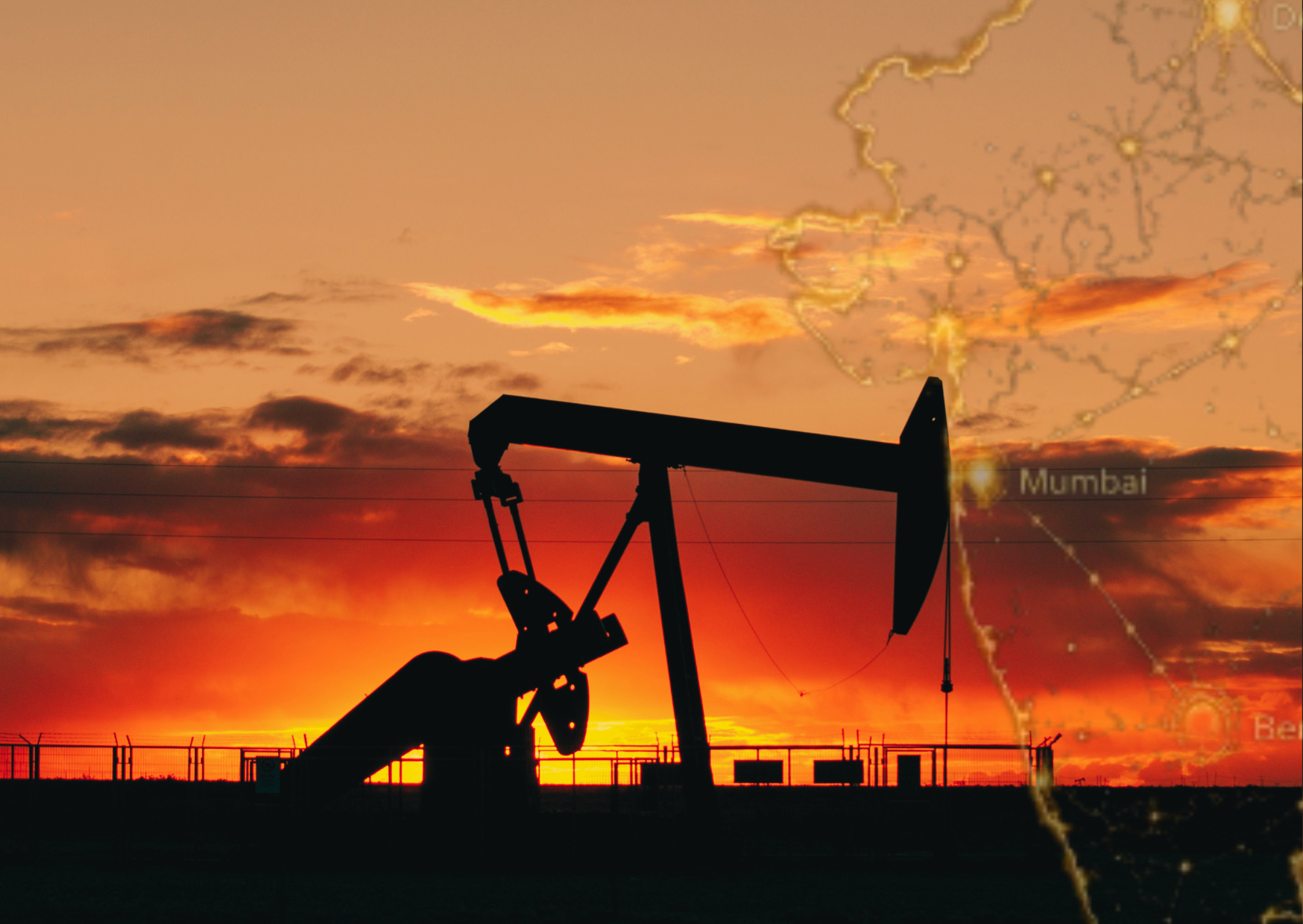
Oil Prices Cross $100 as Middle East Tensions Escalate, Global Markets Face Fresh Pressure
Global financial markets witnessed renewed volatility after international oil prices climbed above $100 per barrel, driven by escalating geopolitical tensions in the Middle East. Investors are increasingly concerned that instability around key maritime trade routes could disrupt global energy supplies and put fresh pressure on inflation.
The latest developments have affected equity markets, bond yields and commodity prices, with analysts warning that prolonged instability could influence economic growth in several regions.
Why Are Oil Prices Rising?
The recent surge follows heightened security concerns around strategic shipping lanes in the Red Sea. Attacks involving commercial shipping have increased fears of supply disruptions, prompting traders to price in higher geopolitical risk.
Energy markets typically react quickly to any threat affecting major oil-exporting regions, especially when transportation routes are involved. The Red Sea and nearby waterways are critical for global trade, carrying a significant share of the world’s energy exports.
Impact on Global Markets
The rise in crude oil prices has already influenced financial markets worldwide.
Higher energy costs generally increase transportation and manufacturing expenses, which may contribute to inflation. Investors also shifted toward safer assets, while stock markets in parts of Asia recorded declines following the latest developments.
Concerns for Consumers
If elevated oil prices persist, consumers around the world could experience:
- Higher fuel prices
- Increased transportation costs
- Rising airline operating expenses
- More expensive imported goods
- Inflationary pressure on household budgets
The overall impact will depend on how long geopolitical tensions continue and whether global oil supplies remain uninterrupted.
What Governments Are Watching
Governments and central banks are closely monitoring:
- Global oil inventories
- Shipping security
- Inflation trends
- Energy supply stability
- Financial market volatility
Economic policymakers may reassess inflation forecasts if energy prices remain elevated for an extended period.
Global Economic Outlook
Energy prices remain one of the most influential drivers of the global economy. Businesses dependent on logistics, aviation, manufacturing and international trade could face increased operating costs if crude prices stay above current levels.
Market analysts say the coming days will be critical as investors evaluate geopolitical developments alongside economic indicators and central bank decisions.
What’s Next?
Attention now turns to:
- Developments in the Middle East.
- Security of international shipping routes.
- Further movement in global crude prices.
- Responses from major oil-producing countries.
- Upcoming economic and inflation data.
Future market direction will largely depend on whether regional tensions ease or intensify.
🛢 Learn More About Global Oil Markets & Energy Statistics
Explore official reports, energy market analysis and international oil statistics from leading global organizations.