

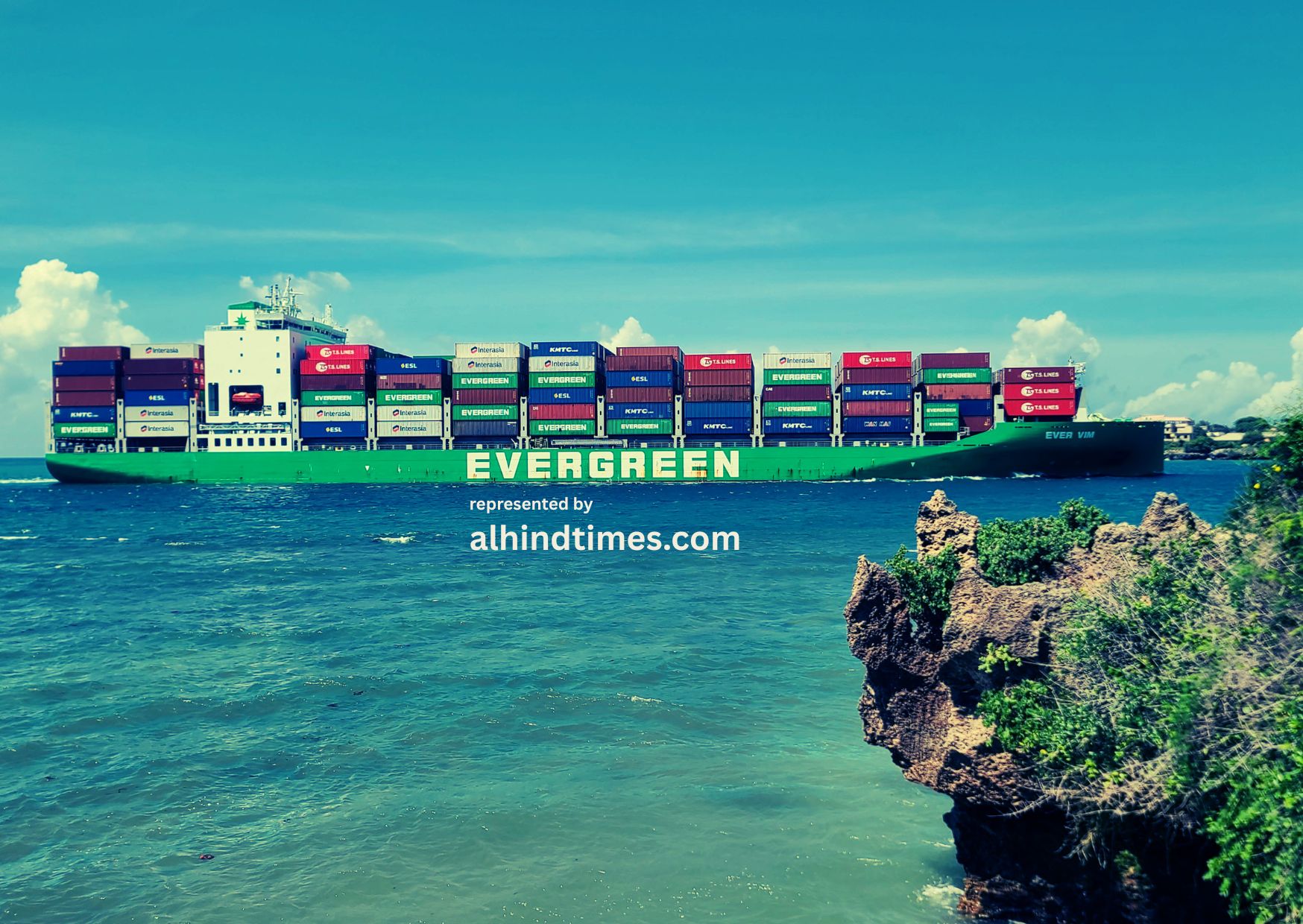
Global Supply Chains Face New Challenges As Middle East Tensions Continue To Impact Trade And Shipping
✍️ Article
Recent geopolitical developments across the Middle East continue drawing attention from governments, businesses and logistics companies as global trade routes remain under close observation.
The region plays a significant role in international commerce, with major shipping corridors connecting Asia, Europe and Africa. Any disruption or uncertainty in these routes can influence shipping schedules, insurance costs and supply chain planning for businesses around the world.
Although international trade continues moving through established maritime corridors, shipping companies are carefully monitoring security developments while adjusting operational strategies whenever necessary. Many global logistics providers have strengthened risk assessments and contingency planning to ensure cargo movement remains as efficient as possible.
Industry analysts note that modern supply chains have become more resilient following lessons learned during recent global disruptions. Companies are increasingly diversifying transportation routes, expanding regional warehousing and adopting digital logistics technologies to reduce operational risks.
Several international organizations continue working closely with governments and commercial shipping operators to maintain safe navigation while supporting uninterrupted trade across key maritime routes.
Businesses involved in manufacturing, retail, energy and international commerce are also reviewing inventory management strategies to minimize the impact of any unexpected transportation delays.
Experts believe that global supply chains will continue adapting through technology, improved logistics planning and stronger international cooperation. While geopolitical developments remain an important factor for global trade, businesses are increasingly investing in flexible supply chain models that improve resilience against future uncertainties.
For consumers, the overall impact depends on the duration and scale of regional developments. Most essential goods continue moving through international supply networks, although certain industries may experience temporary increases in transportation costs if shipping conditions become more complex.
As governments and international organizations continue diplomatic engagement, businesses across multiple sectors remain focused on maintaining stable trade operations while ensuring the smooth movement of goods worldwide.
📌 Key Highlights
- Global shipping routes remain under close monitoring.
- Businesses continue strengthening supply chain resilience.
- International trade operations largely continue as normal.
- Logistics companies expand contingency planning.
- Digital supply chain management supports operational stability.
🌍 Why It Matters
Global trade depends heavily on reliable transportation networks. Even regional geopolitical developments can influence shipping costs, delivery timelines and business planning. Strong supply chain resilience helps reduce disruption while supporting international commerce and economic stability.
📰 Stay Updated With Al Hind Times
Follow Al Hind Times for breaking news, global affairs, business intelligence, government updates and verified international developments.
Read More Breaking News →