

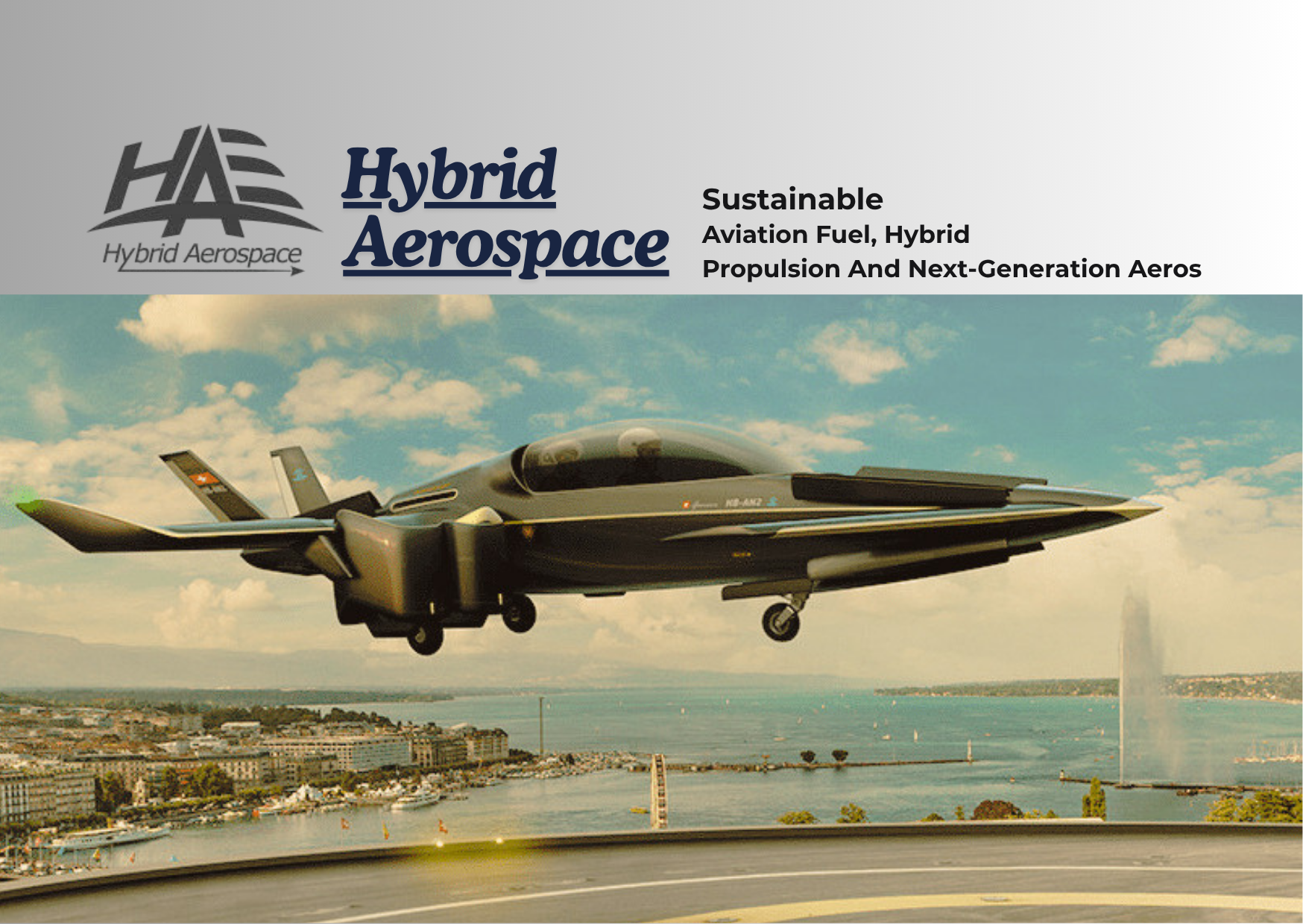
The Future Of Aircraft Engines: Sustainable Aviation Fuel, Hybrid Propulsion And Next-Generation Aerospace Technology
The aviation industry is entering one of the most significant technological transformations in its history. While modern jet engines have become increasingly efficient over the past several decades, the future of aircraft propulsion is now being shaped by sustainability, digital innovation and alternative energy sources. Aircraft manufacturers, engine developers and research organizations around the world are investing billions of dollars in technologies that will reduce emissions while improving performance and operational efficiency.
As global air travel continues to grow, airlines face increasing pressure to lower their environmental impact without compromising safety or reliability. This challenge is driving the development of cleaner, smarter and more efficient aircraft engines.
Sustainable Aviation Fuel (SAF)
One of the biggest advancements is the adoption of Sustainable Aviation Fuel (SAF). Produced from renewable and waste-based resources, SAF can significantly reduce lifecycle carbon emissions compared with conventional jet fuel.
Many leading airlines and engine manufacturers are conducting successful SAF-powered flights, proving that existing aircraft engines can operate safely with increasing blends of sustainable fuel. As production expands and costs decrease, SAF is expected to become a major component of commercial aviation.
Hybrid-Electric Propulsion
Hybrid-electric propulsion is another area receiving significant attention. By combining traditional turbine engines with electric power systems, manufacturers aim to reduce fuel consumption, lower emissions and decrease aircraft noise.
Although hybrid technology is currently focused on regional aircraft and short-haul operations, ongoing research is expected to improve battery performance and expand its use in larger aircraft over the coming years.
Hydrogen-Powered Aviation
Hydrogen is emerging as one of the most promising long-term energy sources for aviation. Hydrogen-powered propulsion systems have the potential to dramatically reduce carbon emissions while supporting sustainable air transport.
Aircraft manufacturers and aerospace companies are actively developing hydrogen-compatible engine technologies, fuel storage systems and airport infrastructure required to support future hydrogen-powered fleets.
Artificial Intelligence And Digital Engines
Modern aircraft engines are becoming increasingly intelligent. Sensors installed throughout the engine continuously collect operational data, allowing airlines to monitor performance in real time.
Artificial intelligence and predictive maintenance systems analyze this information to identify potential issues before they become serious mechanical failures. This technology helps reduce maintenance costs, improve aircraft availability and enhance flight safety.
Lightweight Materials And Advanced Manufacturing
Future aircraft engines will also benefit from advanced composite materials, ceramic components and additive manufacturing (3D printing). These technologies reduce engine weight while improving durability and fuel efficiency.
Engine manufacturers are also adopting digital engineering and simulation tools that accelerate product development and improve overall engine performance.
Global Industry Outlook
Governments, airlines and aerospace manufacturers are working together to achieve ambitious environmental targets while maintaining the growth of global aviation. Continuous investment in sustainable propulsion, digital technologies and advanced engineering will ensure that future aircraft engines become cleaner, quieter and more efficient.
Companies such as GE Aerospace, Rolls-Royce, Pratt & Whitney, CFM International and MTU Aero Engines are expected to play a leading role in shaping this transformation through innovation and long-term research.
Conclusion
The future of aircraft engines extends far beyond generating thrust. Tomorrow’s propulsion systems will combine sustainable aviation fuel, hybrid-electric technologies, hydrogen energy, artificial intelligence and lightweight engineering to redefine the way aircraft operate.
As these innovations continue to mature, they will improve environmental performance, reduce operating costs and support the long-term sustainability of global aviation. The next generation of aircraft engines will not only power airplanes—they will help power the future of aviation itself.
🚀 Explore The Future Of Aviation Technology
Discover aircraft engine innovation, sustainable aviation, aerospace engineering and next-generation flight technologies through Al Hind Times.
🚀 Aviation Technology ⚙ Engine Manufacturers ✈ Aviation Hub